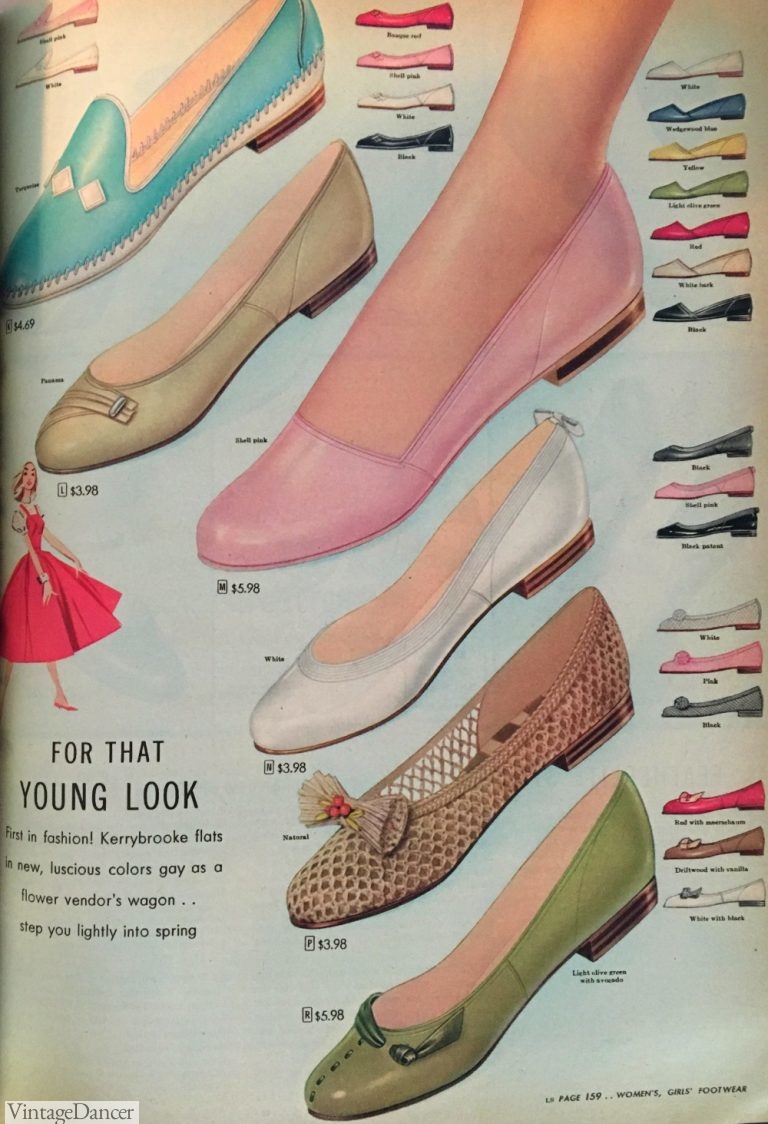
1940s style flats and low heel shoes for casual to dressy 1950s flats the practical flats of the late 1940s continued into the 1950s, but now with an explosion of options. In 1956, brigitte bardot had a small request that would forever shape the history of ballet flats. History of flat shoes.
History Of Flat Shoes, Records of the egyptians, the chinese and other early civilizations all contain references to shoes. Introduced in the united states in the 1930s, the comfortable flat shoe evolved into the penny loafer which featured a slit leather strip across the top of the foot. Their shoes were created for speculative sale in shops. Ballet shoes were still lacked in arch support and had no structure for the feet.
 Vintage Flats History & Pictures From vintagedancer.com
He also added materials to the forefront to allow ballerinas to dance on tiptoe. A moccasin is a simple shoe often made out of a single piece of leather and stitched together, held closed. Particularly found around the venice area of italy, these platform shoes were called “chopines” and often, but not exclusively, worn by prostitutes. Ballet shoes were still lacked in arch support and had no structure for the feet.
Since then, this classic shoe has morphed and evolved to become among the most cherished wardrobe.
Read another article:
Ballet shoes were still lacked in arch support and had no structure for the feet. But ballet shoes were still without support and structure for feet. Dresses were bigger, accessories richer, hairstyles taller, and shoes.well, plainer. They were secured to the feet with ribbons around the ankle and were pleated under the toes for a better fit. First offered for men, the shoe became popular with teens and housewives in the 1950s.
 Source: vintagedancer.com
Introduced in the united states in the 1930s, the comfortable flat shoe evolved into the penny loafer which featured a slit leather strip across the top of the foot. They were secured to the feet with ribbons around the ankle and were pleated under the toes for a better fit. Fashion in the 1950s brought the world out of the conservative war years and into the dazzling ’50s. Introduced in the united states in the 1930s, the comfortable flat shoe evolved into the penny loafer which featured a slit leather strip across the top of the foot. 1950s Shoe Styles History and Shopping Guide.
 Source: pinterest.com
Since then, this classic shoe has morphed and evolved to become among the most cherished wardrobe. Charles didelot created the predecessor of classical pointe shoes. Historical accounts also place their wear and height by members of nobility with some of these platforms as high as 20 inches tall. Leather upper and wooden soles olympic games. 1950s Shoe Styles History and Shopping Guide.
 Source: pinterest.com
He discarded dance shoes with heels enabled ballet dancers leaps. Heels, flats, sandals, saddle shoes. This was at least partly due to the fact that sporting events were being. Sandals are a simple form of foot covering consisting of a sole held to the foot with straps. 1930s Shoes History Study Buddies Oxford Flat in Navy in 6.
 Source: twonerdyhistorygirls.blogspot.com
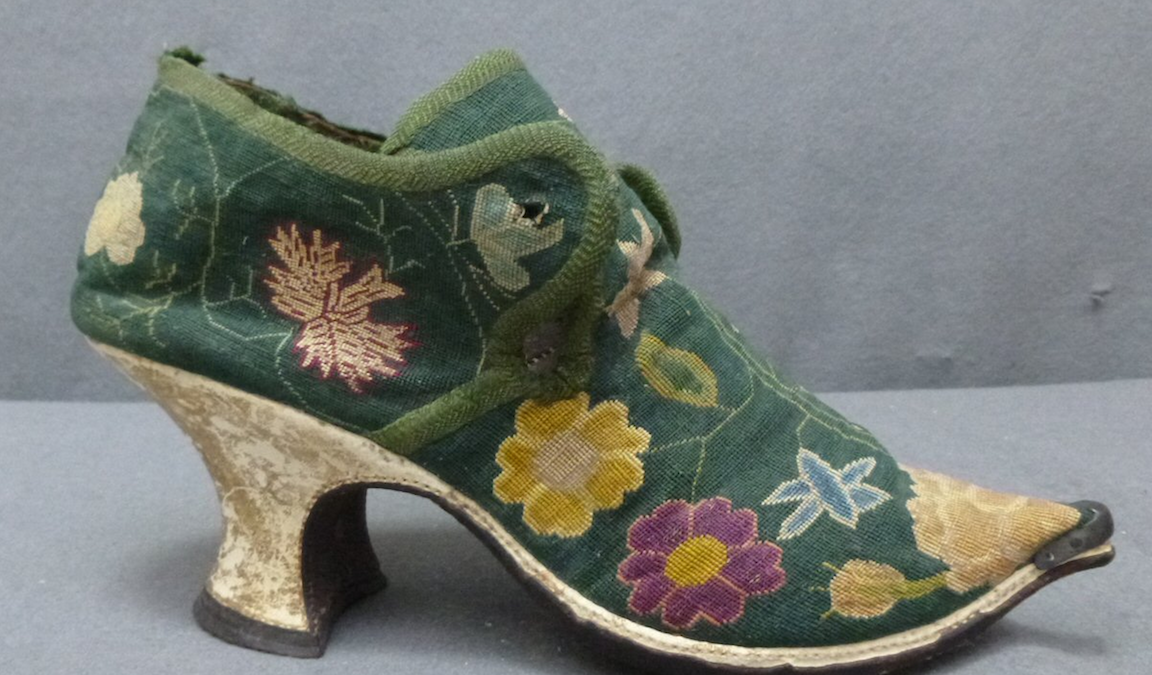
They were mere satin slippers with leather soles, so ballet dancers had to rely solely on their strength.the danish choreographer, august bournonville, laid emphases on male ballet slippers called the. Back in the day, dancers wore heeled dance shoes. They were mere satin slippers with leather soles, so ballet dancers had to rely solely on their strength.the danish choreographer, august bournonville, laid emphases on male ballet slippers called the. The essence of the ballet flat has existed since at least the 16th century, when men wore a similar shoe, then known as pompes.in medieval times. Two Nerdy History Girls Heels or Flats? Two Pairs of.
 Source: ebay.com
Charles didelot is the person responsible for the creation of flat ballet shoes. What defines this dainty style is the bar. Leather upper and wooden soles olympic games. They were secured to the feet with ribbons around the ankle and were pleated under the toes for a better fit. VELEZ Women�s Ballet Flat Shoes Baleta Artisan Red Size.
 Source: ebay.com
Over 100 different operations go into the construction of an individual shoe. They were secured to the feet with ribbons around the ankle and were pleated under the toes for a better fit. In 1956, brigitte bardot had a small request that would forever shape the history of ballet flats. Ancient and early footwear sandals: NEW WOMEN FASHION SHOE STYLE Ballet Flats NEW GLITTERY.
 Source: fluevog.com
Back in the day, dancers wore heeled dance shoes. Leather upper and wooden soles olympic games. Men’s shoe trends, however, were markedly static, as oxfords and loafers remained the dominant style. They were mere satin slippers with leather soles, so ballet dancers had to rely solely on their strength.the danish choreographer, august bournonville, laid emphases on male ballet slippers called the. Fluevog Shoes Fluemarket Fluemarket History Marlene.
 Source: pinterest.com
But ballet shoes were still without support and structure for feet. Their shoes were created for speculative sale in shops. Heels, flats, sandals, saddle shoes. Typically crafted by a cobbler. Vintage Flats History & Pictures Vintage flats, 1940.
 Source: vintagedancer.com
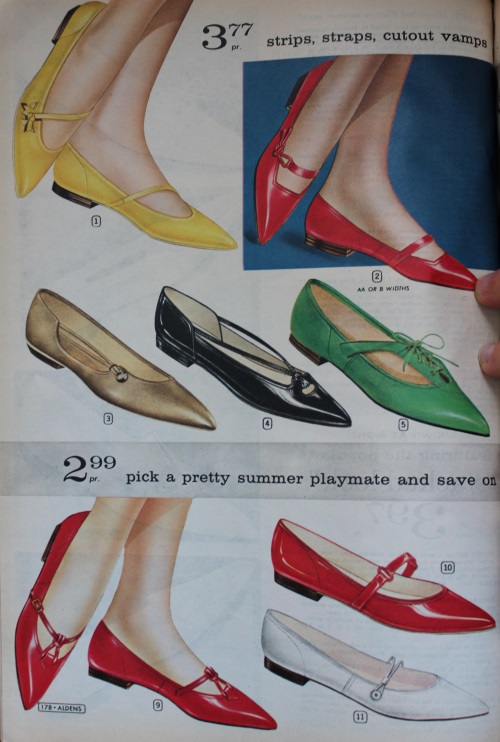
The ’50s flat was more feminine, streamlined, and decorative. He also added materials to the forefront to allow ballerinas to dance on tiptoe. Over 100 different operations go into the construction of an individual shoe. Flats, after all, have been in style for millennia. History of Roaring 20s Shoes.
 Source: vintagedancer.com
Back in the day, dancers wore heeled dance shoes. An efficient industry manufacturing women’s silk and kid footwear was developed in france in the 1830s using piecemeal workers. This practice dates back to pictures of them in ancient egyptian murals from 4000 bc. Beginning of the xx century: Vintage Flats History & Pictures.
 Source: bensilver.com
First offered for men, the shoe became popular with teens and housewives in the 1950s. But by removing these heels, ballerinas are now able to do leaps. Men’s shoe trends, however, were markedly static, as oxfords and loafers remained the dominant style. Charles didelot is the person responsible for the creation of flat ballet shoes. Quilted Flats in Beige with Luggage Tan Toe The Ben.
 Source: lyst.com
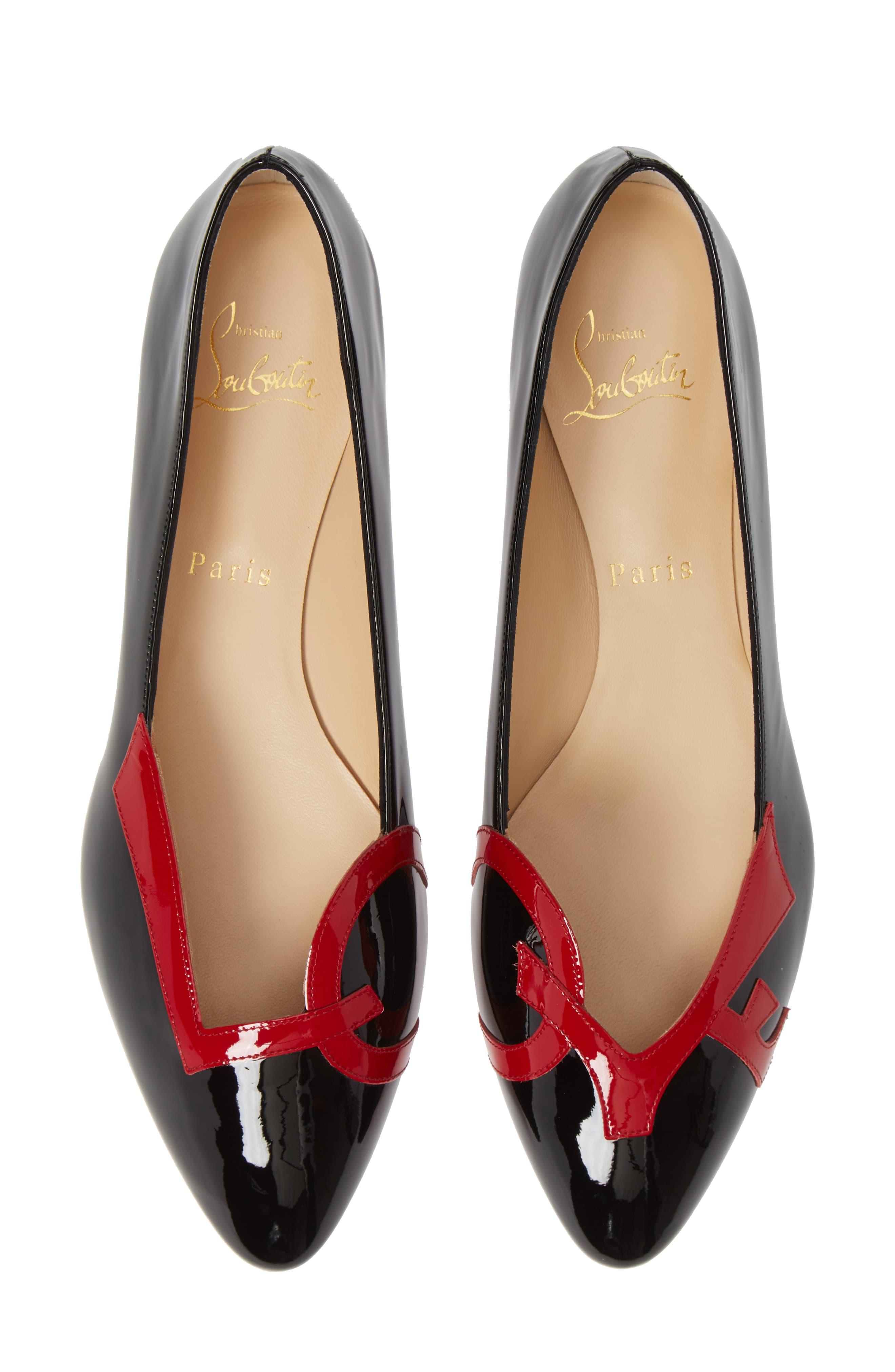
What defines this dainty style is the bar. Historical accounts also place their wear and height by members of nobility with some of these platforms as high as 20 inches tall. The shoes were narrow but their construction was light and forgiving, allowing the wearer’s foot to splay over the edges of the sole. Back in the day, dancers wore heeled dance shoes. Christian Louboutin Love Ballet Flats Lyst.
 Source: pinterest.com
What defines this dainty style is the bar. Back in the day, dancers wore heeled dance shoes. Kicksters rejoiced in the �70s when, for the first time in history, sneakers were being worn as fashionable footwear. Typically crafted by a cobbler. A Brief History of The Huarache Huaraches, Huarache.
 Source: findsourcing.com
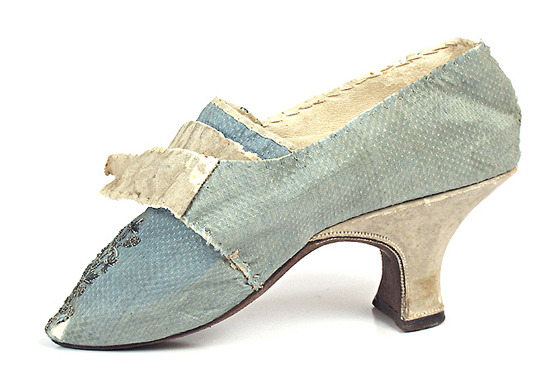
The essence of the ballet flat has existed since at least the 16th century, when men wore a similar shoe, then known as pompes.in medieval times. Charles didelot created the predecessor of classical pointe shoes. With so much new emphasis on the rest of women’s fashion, 1950s shoe styles became understated. He also added materials to the forefront to allow ballerinas to dance on tiptoe. FindSourcing Ballet Flats.
Source: vintagedancer.com
Ballet shoes were still lacked in arch support and had no structure for the feet. Beginning of the xx century: Particularly found around the venice area of italy, these platform shoes were called “chopines” and often, but not exclusively, worn by prostitutes. Introduced in the united states in the 1930s, the comfortable flat shoe evolved into the penny loafer which featured a slit leather strip across the top of the foot. Vintage Flats History & Pictures.